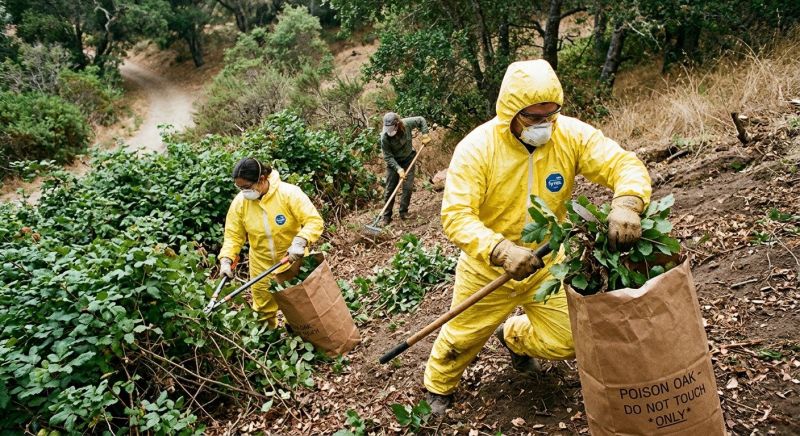
Poison Oak Removal in Lancaster County, PA
Poison oak removal services involve the safe and effective clearing of poison oak plants from residential properties. This service is commonly requested for projects such as clearing overgrown areas, maintaining landscaped yards, or preparing outdoor spaces for recreational use. Property owners should understand that poison oak can cause skin irritation and allergic reactions, making proper removal essential for safety. The process typically includes identifying the plants, carefully removing or treating them, and disposing of the material in accordance with local regulations.
Before requesting poison oak removal, homeowners often want to know about the extent of the infestation, the methods used for removal, and any precautions needed during and after the process. It's important to consider whether the plants are in hard-to-reach areas or near other desirable vegetation. Clear communication about the size of the affected area and the presence of children or pets can help ensure the removal process is safe and effective. Proper removal can help restore the health and safety of outdoor spaces, making them more enjoyable and secure for all property occupants.
Many property owners in Lancaster County, PA look into Poison Oak Removal for repairs, replacements, upgrades, and appearance-related improvements.
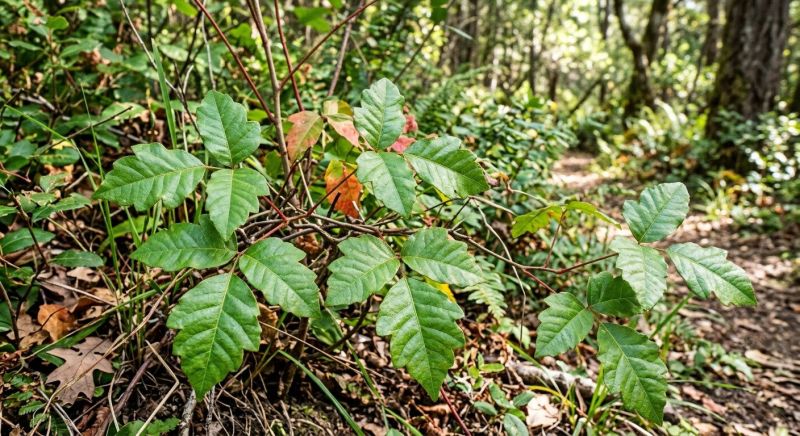
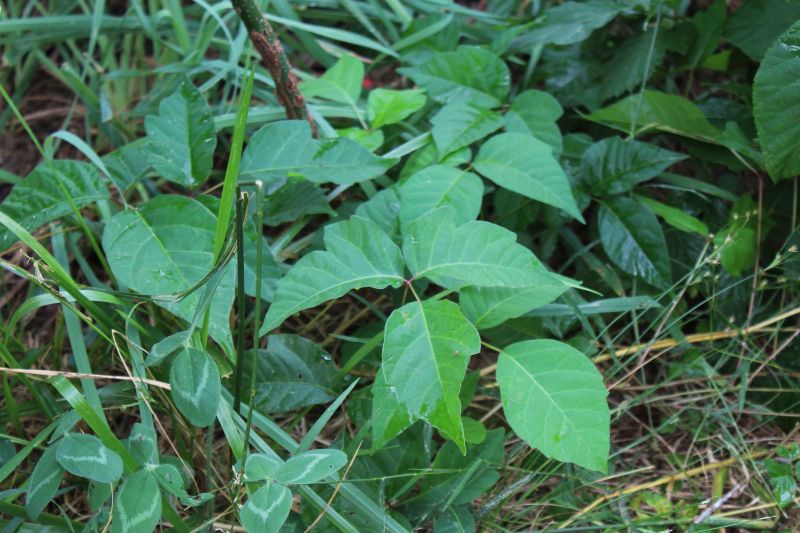
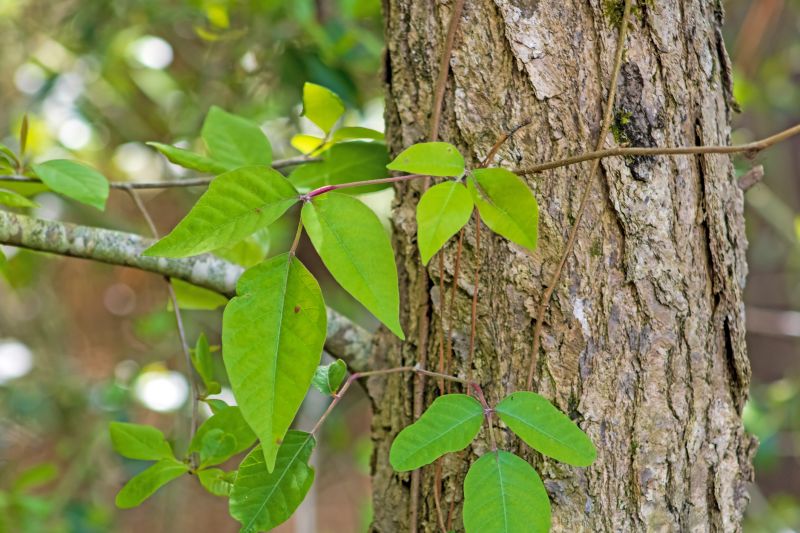
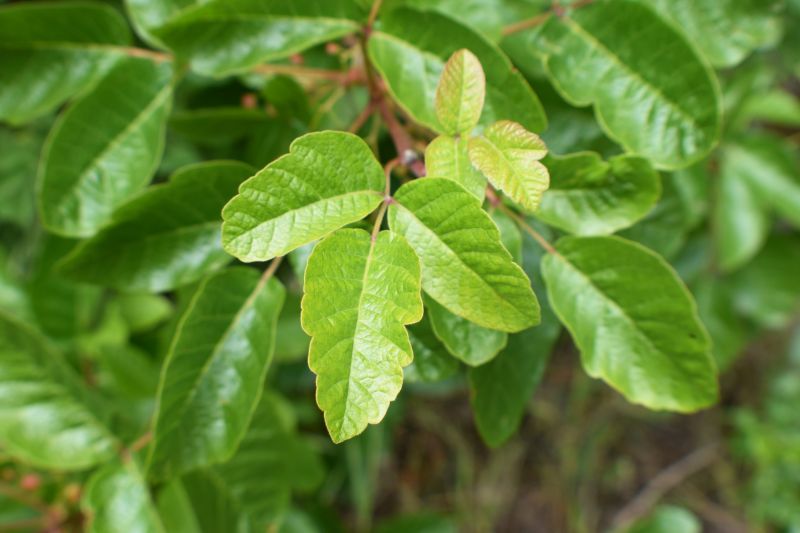
Poison Oak Identification
Recognizing poison oak can prevent skin irritation and exposure risks on residential and commercial properties.
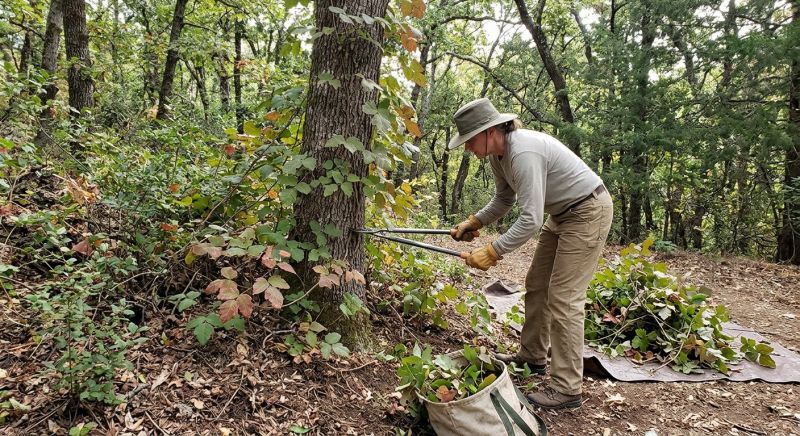
Safe Removal Techniques
Proper removal methods help ensure the plant is completely eliminated without spreading or causing harm.
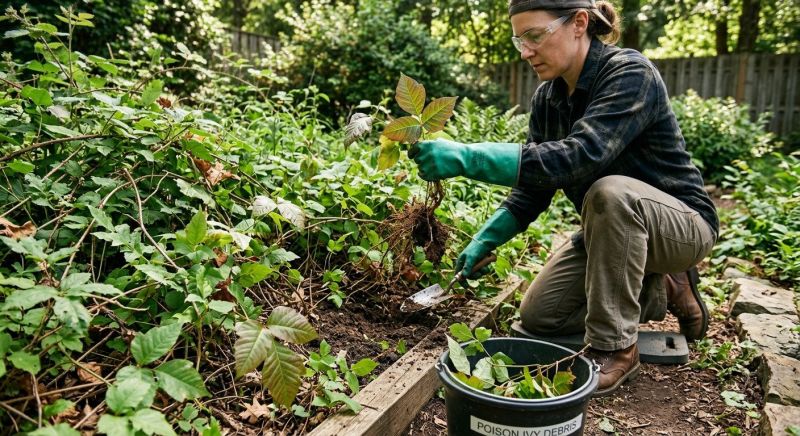
Property Preservation
Removing poison oak maintains the safety and appearance of outdoor spaces in lancaster county and nearby areas.
Poison Oak Removal in Lancaster County, PA
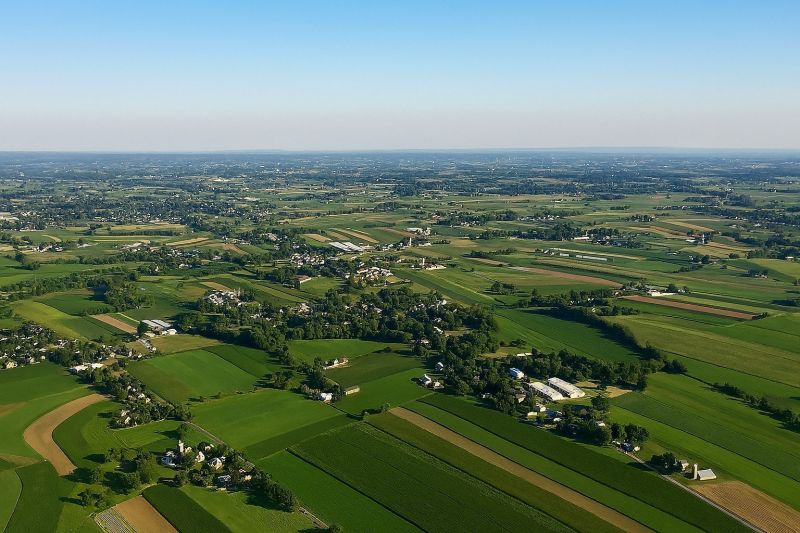
Poison oak removal services involve the safe and effective clearing of poison oak plants from residential properties. This service is commonly requested for projects such as clearing overgrown areas, maintaining landscaped yards, or preparing outdoor spaces for recreational use. Property owners should understand that poison oak can cause skin irritation and allergic reactions, making proper removal essential for safety. The process typically includes identifying the plants, carefully removing or treating them, and disposing of the material in accordance with local regulations.
Before requesting poison oak removal, homeowners often want to know about the extent of the infestation, the methods used for removal, and any precautions needed during and after the process. It's important to consider whether the plants are in hard-to-reach areas or near other desirable vegetation. Clear communication about the size of the affected area and the presence of children or pets can help ensure the removal process is safe and effective. Proper removal can help restore the health and safety of outdoor spaces, making them more enjoyable and secure for all property occupants.
Many property owners in Lancaster County, PA look into Poison Oak Removal for repairs, replacements, upgrades, and appearance-related improvements.
Common Poison Oak Removal Jobs
Poison Oak Removal - Safely eliminates poison oak from residential landscapes to prevent skin irritation.
Yard Clearing - Removes poison oak plants from lawns, gardens, and wooded areas.
Brush and Bush Removal - Clears overgrown areas infested with poison oak for safety and aesthetics.
Property Maintenance - Keeps properties free of poison oak through regular inspection and removal.
Vegetation Control - Targets poison oak in hard-to-reach spots to reduce spread and growth.
Land Clearing - Prepares land for new landscaping or construction by removing poison oak infestations.
Poison Oak Removal Questions
What is poison oak removal? Poison oak removal involves safely eliminating the plant from a property to prevent skin irritation and health risks.
Why is professional removal recommended? Professionals have the proper tools and knowledge to remove poison oak effectively and reduce the risk of spreading or exposure.
What areas are typically treated for poison oak? Common treatment areas include yards, wooded sections, fence lines, and around outdoor structures.
How can property owners prevent poison oak growth? Regular maintenance, clearing overgrown areas, and monitoring for new plants can help prevent growth around the property.
Request Poison Oak Removal in Lancaster County, PA
Use the quote form on this page to share the basics of your project and request more information for the type of work you need.